Cane juice, copper and oak: the case for a Chamarel half-day
Between rounds in Mauritius, Chamarel offers a closer look at rum’s raw materials—and a starting point for exploring the island beyond its resorts.
The best reason to leave a half-day for Chamarel is not the prospect of bringing a bottle home. It is the chance to connect a familiar holiday drink with the crop and production decisions behind it. In its October 2026 Mauritius travel feature, Inside Golf recommends La Rhumerie de Chamarel, a working distillery among the sugarcane plantations of the south-western hills. For golfers planning time off the course, it offers an excursion with a specific subject rather than another resort diversion.[1]
Give that excursion a boundary, though: a distillery is an introduction to sugarcane country, not a complete account of Mauritius. The same Inside Golf feature points travellers towards Aapravasi Ghat in Port Louis, a UNESCO World Heritage site associated with the arrival of indentured labourers and the development of modern Mauritius. It also identifies Le Morne Brabant as a symbol of resistance and freedom. Those places deserve their own itinerary space; the island’s human history should not be reduced to background for a tasting.[1]
Two different ingredients
At Chamarel, the central distinction is straightforward: agricultural rum starts with freshly pressed sugarcane juice, whereas molasses-based rum uses a different starting material. Inside Golf reports that the distillery uses cane grown on the surrounding estate. That makes the relationship between field and spirit unusually legible for a visitor. The useful question is not which category is inherently better, but what the choice of raw material means for the rum being made.[1]
Oak supplies a second subject, separate from the cane itself. The publication describes ageing cellars where time in barrels adds colour, complexity and flavour. Together, those two elements give the tour its intellectual shape: what comes from the starting ingredient, and what develops during maturation? The guided route includes crushing, fermentation, distillation and ageing, with copper stills among the equipment on view. Following those stages gives substance to distinctions that can otherwise remain abstract on a drinks list.[1]
The reported tasting selection includes white and aged rums, plus flavoured versions featuring vanilla, coffee and local spices. Treat those as categories to explore, rather than a ladder towards an assumed winner. Comparing the white and aged selections before considering the flavoured examples is one useful way to organise attention. The tasting then becomes a chance to revisit the production questions, rather than simply the reward for finishing the tour.[1]
Leave room for lunch
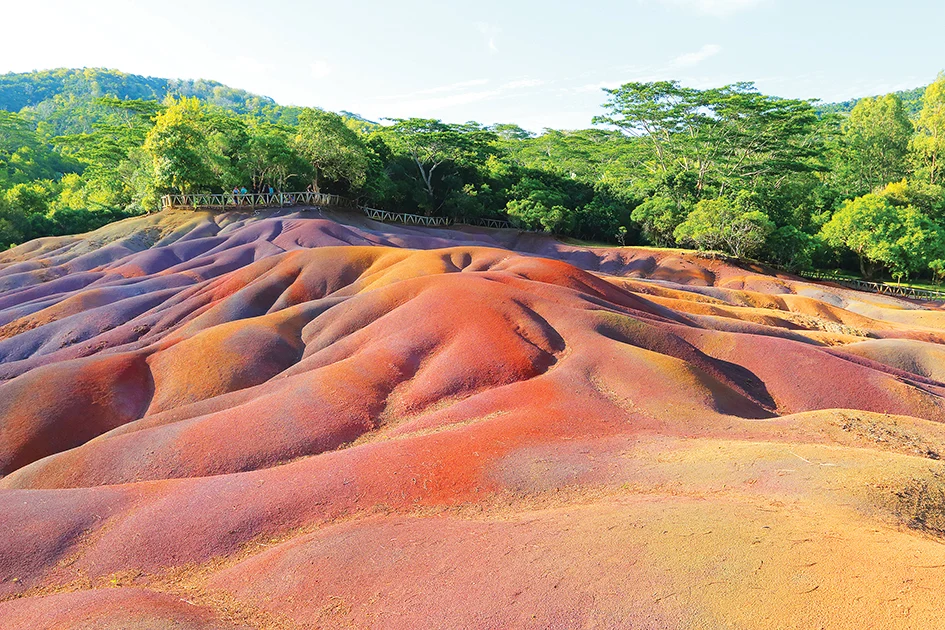
Inside Golf suggests allowing a half-day when including lunch at the distillery’s restaurant, L’Alchimiste, which it describes as using fresh local ingredients. That is the sensible unit for planning between golf days: tour, tasting and a meal, without trying to compress everything into a pre-tee-time gap. Nearby attractions include the Seven Coloured Earth Geopark and Chamarel Waterfall, but proximity need not turn a focused visit into a checklist.[1]