La Sirena’s Next Chapter Starts Beneath the Same Old Beams
New owners are reshaping the West Palm Beach restaurant around a familiar core: handmade pasta, a deep cellar and a room with history.
The most revealing detail in La Sirena’s ownership change might be overhead. The West Palm Beach Italian restaurant’s 150-year-old oak ceiling beams remain, while new booths, art and tabletop décor change the room beneath them. It is a concrete expression of the challenge facing Alex and Amanda Gaudelet: deciding which parts of an established restaurant anchor its identity, and which can accommodate a different point of view.[1]
The Gaudelets and their partners have bought La Sirena from Marcello and Diane Fiorentino, who operated the restaurant for the past three decades. Founded by the Fiorentino family in 1986, it was scheduled to reopen for its 41st season on November 4, 2026. Preserving its traditions mattered to the sellers; Alex Gaudelet has likewise emphasised protecting its character. That agreement establishes an intention, not yet a verdict on how the handover will feel to regular guests.[1]
A different start to dinner
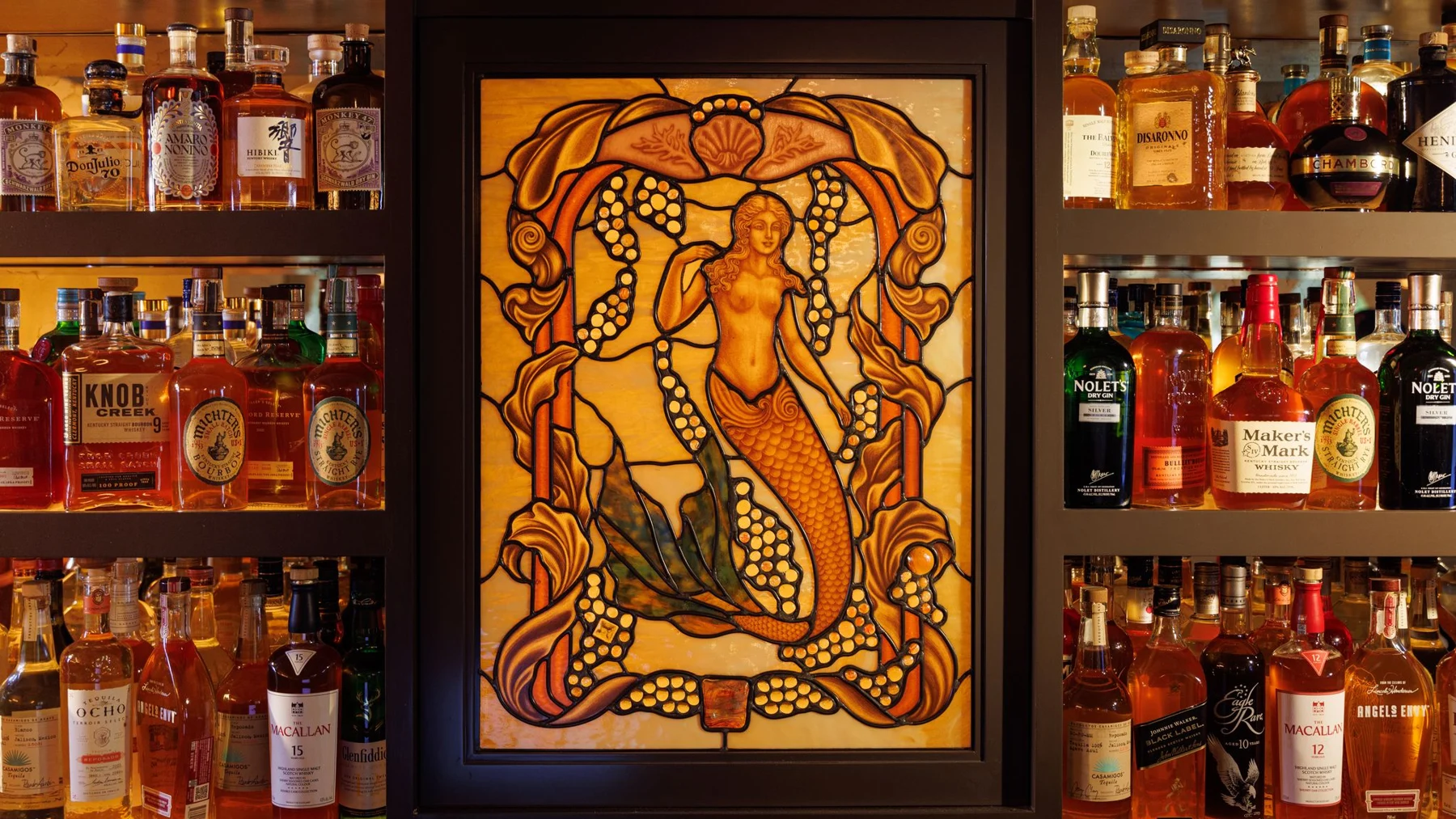
One meaningful change comes before the food. A full liquor licence brings spirits and cocktails into a restaurant whose beverage identity has rested heavily on wine. This gives dinner another possible opening without displacing a collection of more than 2,000 wine selections. With particular depth in Tuscany, Burgundy and Bordeaux, the cellar remains a substantial inheritance for the new owners, rather than something they need to build from scratch.[1]
The bar still accommodates a full dinner, making it part of the restaurant’s seating choices rather than simply a stopping point before a table. Its expanded drinks offering sits alongside a broader selection of oysters and shellfish, plus caviar. Together, those changes widen the ways a meal can take shape at La Sirena, while leaving its Italian repertoire in place.[1]
Pasta holds the middle
Handmade pasta is the clearest culinary link across the transfer. Rigatoni alla vodka offers a familiar reference point; langoustine and truffle ravioli takes the same section of the menu in a more elaborate direction. Keeping both within the repertoire gives the restaurant room for straightforward preferences and occasion dining without having to invent a new identity. Grilled branzino and seared snapper alla puttanesca extend the seafood choices beyond pasta, with veal and beef also retaining a place.[1]
The redesign is where the Gaudelets’ authorship becomes most explicit. They worked with Pat Boyle of Hopewell Design and contributors including Casa Ceramica and McMow Art Glass. The retained beams provide an architectural link to the previous room, but the added booths and decorative changes avoid treating preservation as a requirement to leave everything untouched. The distinction matters: a restaurant can keep recognisable features while allowing its new owners to make actual decisions.[1]