For David Ward, golf meant having a team again
In Golf Monthly’s interview, the Kegworth survivor describes how golf and the Simpson Cup brought friendship, competition and a renewed sense of belonging.
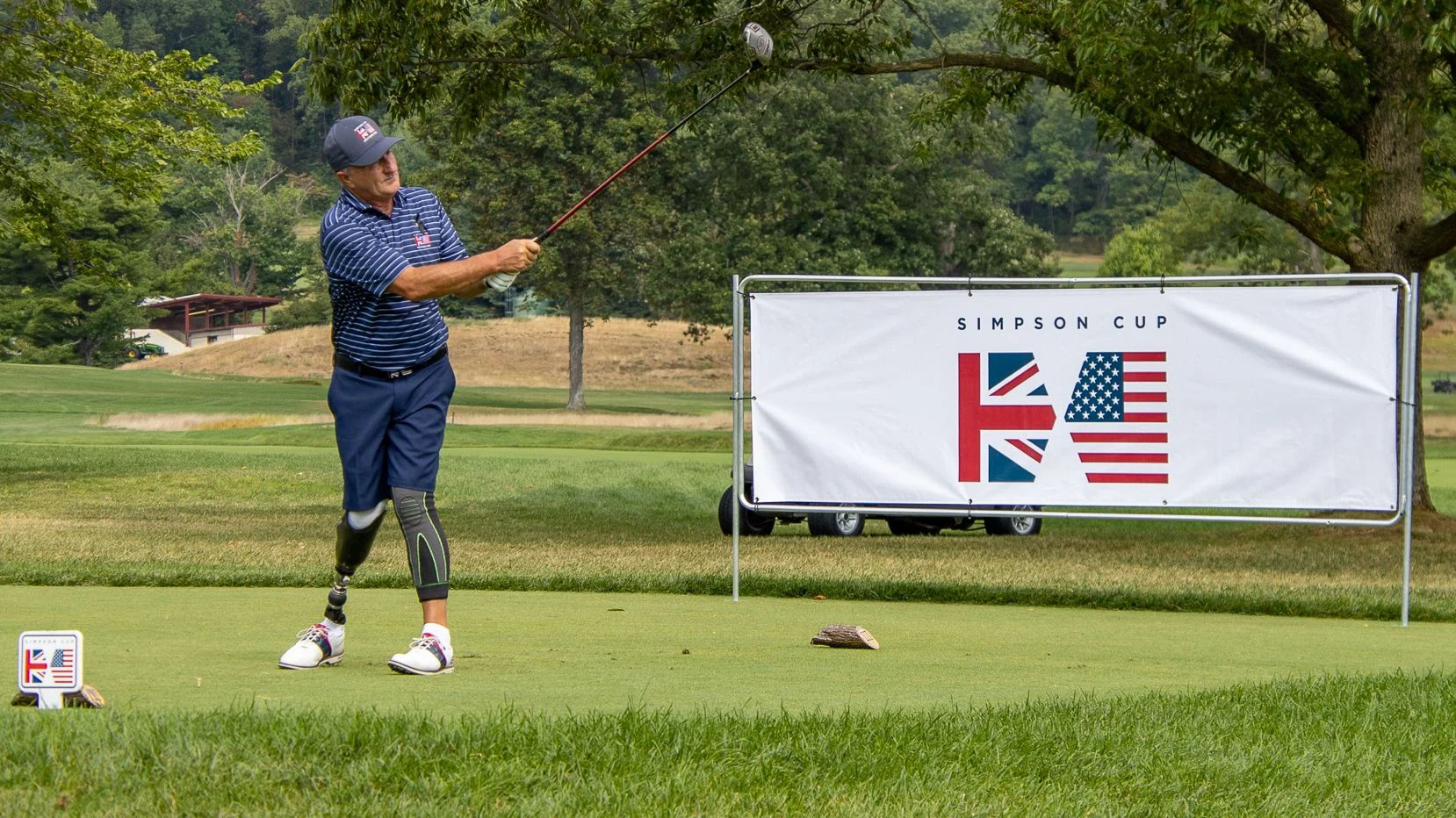
David Ward’s description of the Simpson Cup is striking for what it says about belonging. “It’s like the tournament has put us back in the military,” he told Golf Monthly in an interview published on 30 October 2026. Competition matters, but so does being back among fellow veterans, with a shared reason to get together.[1]
Ward, 61 at the time of the interview, was preparing for his 14th appearance in the event, which brings together teams of 13 injured service personnel and veterans from Great Britain and the United States. He had played in every edition since its beginnings at TPC Sawgrass in 2012 and had captained his side three times. That long association gives his account a different emphasis from a story about discovering a new sport: this is a community he has kept returning to.[1]
In 1989, Ward survived the Kegworth air disaster while travelling back to Belfast with his fiancée, Judith, who also worked in the military. She was among the 47 people killed. Ward suffered extensive injuries, including a broken neck, and his right leg was amputated. He told Golf Monthly that learning to walk again took seven years, progressing from a wheelchair to crutches before golf entered his life.[1]
His introduction was modest: a friend suggested golf, Ward doubted he could play on one leg when he had never played on two, and a round of pitch and putt changed his mind. He had played football, cricket, tennis and basketball in the military. Golf offered another way to compete after the range of sports available to him had narrowed.[1]
The everyday anchor is Boringdon Park in Plymouth, where Ward is a member. He described himself as a “solid” 10.7-handicap golfer, having previously reached nine. Those details matter alongside the international team appearances: he has a club and a game of his own, with ambitions that can be expressed in the familiar language of a handicap rather than solely through his injuries.[1]
The Simpson Cup and On Course Foundation, founded by John Simpson, connect that golfing identity with a veteran community. Ward spoke about how meeting people with other amputations challenged his initial sense of being alone in his situation. His gratitude to Simpson centres on bringing injured former service personnel together and giving them something meaningful to compete for again.[1]
Yet the opposition also supplies friends. In Golf Monthly’s account, Ward was looking forward to catching up with the American players and hearing how they were managing their injuries. Conversations extend beyond golf to treatment and the practical business of living with lasting physical difficulties. “I’ve made as many good friends playing golf as I did before I went into the military,” he said.[1]
Golf’s place in Ward’s account is not an ending to bereavement or injury, but an ongoing source of company and purpose. His years of participation allow room for both competitive ambition and the quieter business of keeping in touch. The score provides a reason to compete; the relationships provide a reason to keep coming back.[1]