Two Pitch Marks at a Time: Debra Lissebeck’s Case for Belonging
The Los Angeles LPGA Amateurs president connects care for the course with a larger ambition: helping women claim their place in the game.
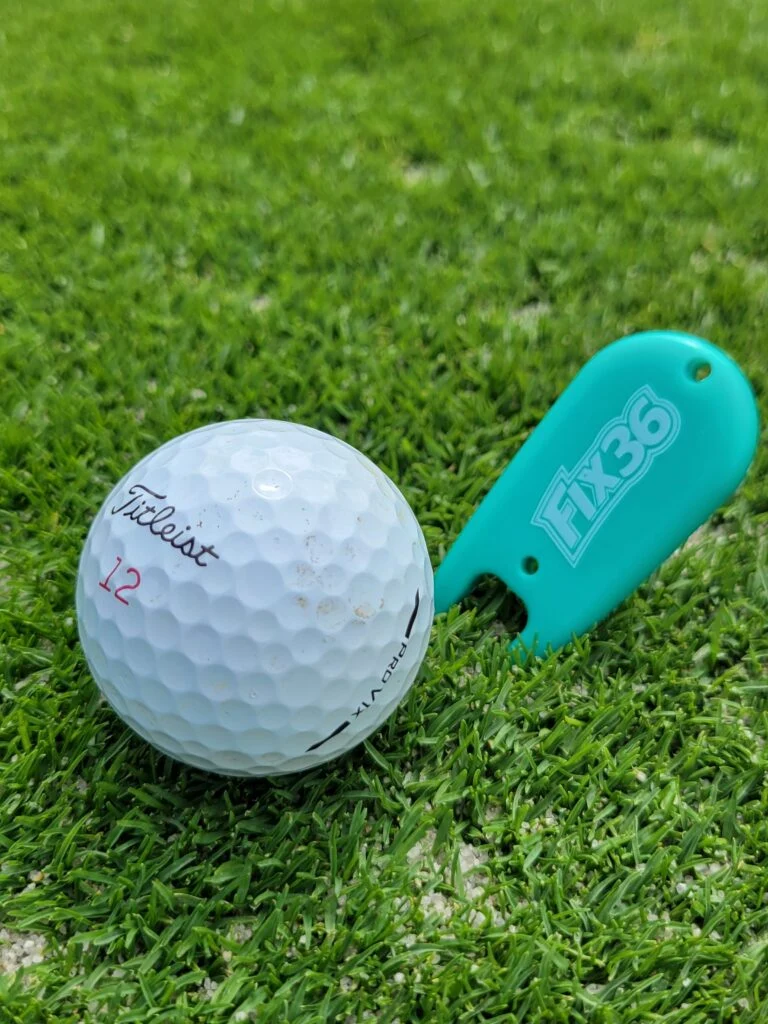
A pitch mark is a small piece of unfinished business. For Debra Lissebeck, president of the LPGA Amateur Golf Association’s Los Angeles chapter, repairing it is also a useful starting point for community. Her Fix36 initiative asks members to repair two ball marks on every hole: their own and another left behind. Across 18 holes, that becomes 36 modest acts of maintenance, each benefiting someone who may never know who did the work.[1]
The appeal is its practicality. Fix36 turns concern about neglected greens into a repeatable task, rather than another complaint about other golfers’ etiquette. Lissebeck wants the habit built into members’ rounds, using time spent waiting on the green. She says other clubs and pro shops have asked about the initiative, and she has supplied repair tools for coed clubs’ event bags. Its reach beyond the chapter remains unquantified.[1]
Lissebeck’s own route into the organisation began with a desire for regular competition. After leaving her country club, she joined what was then the Executive Women’s Golf Association. By November 2026, she had been a member for 12 years. She joined the board as director of golf programs in 2014, later serving two terms as events director. Initially reluctant to accept the presidency because of the commitment, she reconsidered after encouragement from then-president Deb Olson.[1]
That progression matters to the kind of welcome she is trying to build. The chapter serves more than 100 women, ranging from their twenties to their late seventies, with working lives and retirement both represented. It offers a golf circle beyond partners and existing friends. Running that circle requires the less conspicuous work of arranging events, filling board roles and making a newcomer comfortable enough to ask a question.[1]
Who gets to choose?
Her attention to small details extends to language. Lissebeck recalls a staff member at an upscale club repeatedly directing her low-index foursome towards the forward tees, calling them the “ladies tees”. The objection is specific: a gender label was standing in for a conversation about the players’ games. Welcoming women means allowing room for their ability and preferences, rather than deciding those things in advance.[1]
Competition presents a different barrier. Concerned about thinning senior flights at the LA City Women’s Championship, Lissebeck has encouraged members to enter local events instead of assuming they must first become better golfers. Her response is participation: help fill the fields. That encouragement gives the chapter a purpose beyond providing company for a round; it can also be a bridge into competitive golf.[1]
The same principle shapes her appeal for volunteers. Lissebeck is seeking people willing to help, not applicants with exhaustive golf knowledge or exceptional handicaps. Taken together, her priorities offer a clear account of membership: look after the course, make room for questions and take part in the work. Belonging becomes something members can practise, rather than a status they must wait to be granted.[1]