Te Awamutu’s redesign bargain: sell a quarter to rebuild the course
A proposed residential rezoning would finance new land and a redesigned course, putting golf’s needs alongside questions about roads, water and recreation.
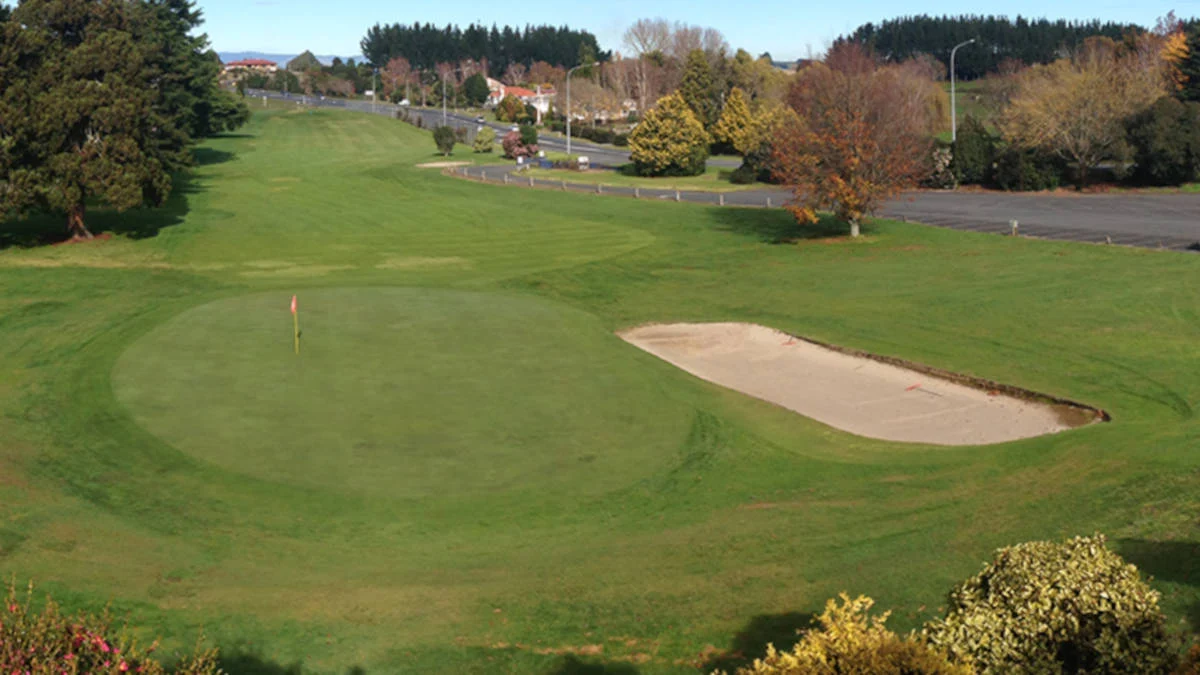
Te Awamutu Golf Club’s proposed rebuild begins with a substantial land transaction: make roughly a quarter of its existing property available for housing, then use the proceeds to reshape its golfing future. According to Golf Industry Central’s November 3 report, the club has applied to rezone approximately 16.2 hectares of its 65-hectare site from Rural to Medium Density Residential. The proposal makes the course boundary, rather than a particular green or bunker, the starting point for change.[1]
Private Plan Change 34 seeks an amendment to the Waipā District Plan for the property at Kihikihi Road and Golf Road, between Te Awamutu and Kihikihi. The club, which has operated there since the early 1930s, intends to spend the land-sale proceeds on adjoining land and a full course redevelopment. This is therefore a proposal to exchange part of the existing footprint for room to redesign, rather than simply squeeze golf into what remains.[1]
The boundary problem
The club’s stated reasons are practical. Its application, as reported by Golf Industry Central, identifies ongoing safety risks from balls landing on the road and drainage problems it says cannot be resolved without expanding the boundaries. Those are the club’s arguments for redevelopment, not established outcomes of the proposed scheme. The architectural test is whether a different arrangement of land allows the course to function better while addressing the problems used to justify the sale.[1]
That distinction matters because acquiring acreage and improving a layout are separate achievements. For golfers, the important question is how the replacement land would contribute to a coherent course. For neighbours and road users, it is how the revised layout would address the risk of stray shots. A redesign needs to reconcile those interests: a golfing solution should also make sense at the property’s edges.[1]
Water and shared space
The redevelopment proposal also incorporates stormwater-management wetlands and recreational reserve areas, Golf Industry Central reports. These broaden the planning question beyond the quality of the golf. Wetlands would need to be considered as working drainage infrastructure, while the reserves raise questions about the recreation space the scheme would provide. Their proposed inclusion is relevant, but their value rests on how they are designed, connected and maintained.[1]
The central trade-off is consequently larger than housing versus fairways. Residential rezoning is the intended financial means of securing a different course footprint, with safety, drainage and recreation offered as reasons to support the change. Planning scrutiny must weigh that linked proposition: what land is released, what is acquired, and what the resulting arrangement delivers for both the club and the surrounding community.[1]
Submissions on Private Plan Change 34 close at 5pm on Friday, November 20, 2026. Golf Industry Central directs readers to Waipā District Council’s consultation page for the proposal and submission process. For anyone responding, the useful focus is the relationship between the proposed housing land, replacement golf land, road safety and water management—not a simple vote for or against redevelopment.[1]